
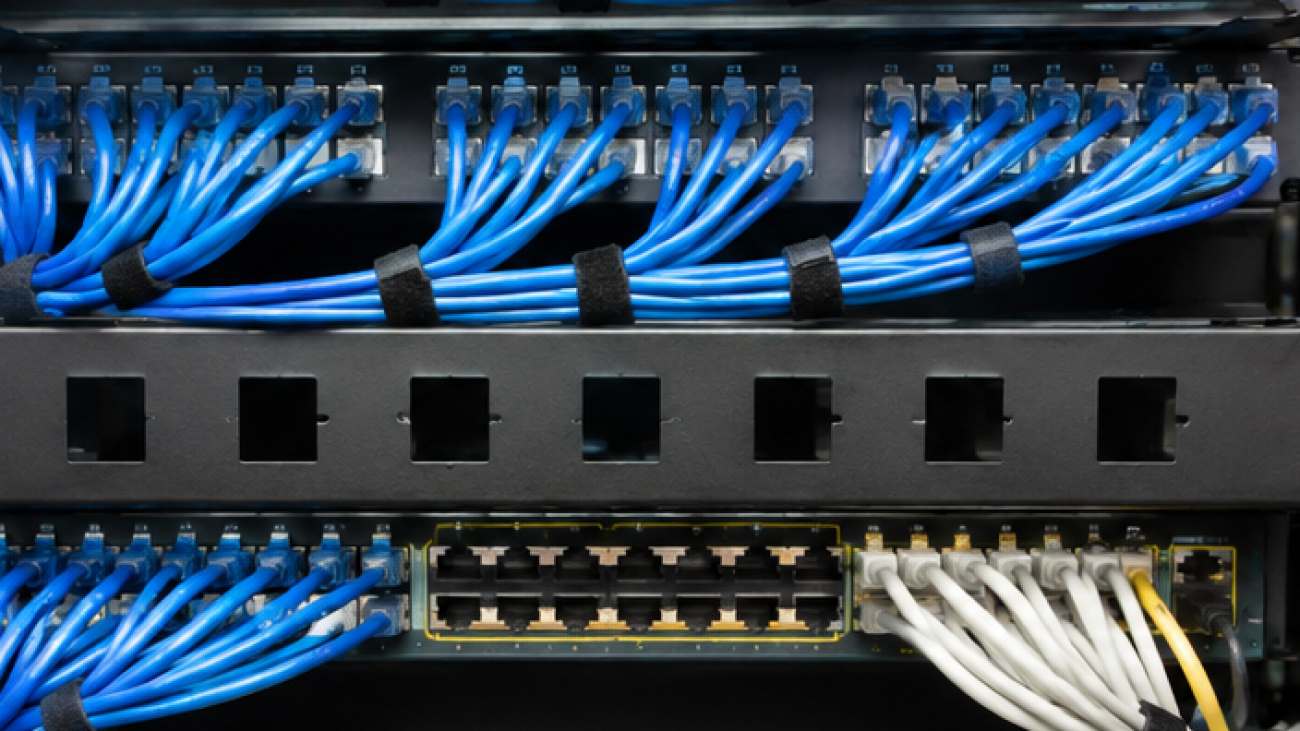
Structured cabling system with organized patch panels in a network rack

What Is Structured Cabling?

زیرساخت فیزیکی شبکه یکی از مهم‌ترین عوامل در عملکرد، پایداری و توسعه‌پذیری سیستم‌های فناوری اطلاعات است. بسیاری از سازمان‌ها هزینه‌های زیادی برای خرید سرورها، سوئیچ‌ها، فایروال‌ها و تجهیزات پیشرفته شبکه پرداخت می‌کنند، اما از اهمیت کابل‌کشی استاندارد غافل می‌شوند. در واقع حتی بهترین تجهیزات شبکه نیز بدون یک زیرساخت مناسب نمی‌توانند عملکرد مطلوبی داشته باشند.

Structured Cabling یا کابل‌کشی ساخت‌یافته، روشی استاندارد برای طراحی و اجرای زیرساخت ارتباطی ساختمان‌ها و مراکز داده است که امکان مدیریت، توسعه و نگهداری آسان شبکه را فراهم می‌کند.

Structured Cabling چیست؟

Structured Cabling به مجموعه‌ای از استانداردها، تجهیزات و روش‌های اجرایی گفته می‌شود که برای ایجاد یک زیرساخت ارتباطی منظم و استاندارد در شبکه‌های کامپیوتری مورد استفاده قرار می‌گیرد.

در این روش، تمامی کابل‌ها، پچ پنل‌ها، رک‌ها، پریزهای شبکه و تجهیزات پسیو بر اساس استانداردهای بین‌المللی طراحی و نصب می‌شوند تا شبکه از نظر عملکرد، توسعه‌پذیری و عیب‌یابی در بهترین وضعیت قرار داشته باشد.

کابل‌کشی ساخت‌یافته تنها برای انتقال داده استفاده نمی‌شود، بلکه می‌تواند سرویس‌های مختلفی مانند:

  • شبکه کامپیوتری (LAN)
  • تلفن تحت شبکه (VoIP)
  • سیستم‌های نظارتی و دوربین مداربسته
  • سیستم‌های کنترل تردد
  • تجهیزات هوشمندسازی ساختمان
  • مراکز داده (Data Center)

را پشتیبانی کند.

چرا Structured Cabling اهمیت دارد؟

بسیاری از مشکلات شبکه ناشی از زیرساخت نامناسب و کابل‌کشی غیراستاندارد است. زمانی که کابل‌ها بدون برنامه‌ریزی و مستندسازی اجرا شوند، مدیریت و توسعه شبکه در آینده بسیار دشوار خواهد شد.

کابل‌کشی ساخت‌یافته مزایای متعددی دارد:

1. افزایش پایداری شبکه

استفاده از تجهیزات استاندارد و طراحی اصولی باعث کاهش قطعی‌ها و افزایش کیفیت ارتباطات می‌شود.

2. توسعه‌پذیری آسان

در صورت نیاز به افزایش تعداد کاربران یا تجهیزات، توسعه شبکه بدون ایجاد اختلال انجام خواهد شد.

3. مدیریت بهتر زیرساخت

تمامی کابل‌ها، پورت‌ها و مسیرهای ارتباطی مستندسازی و برچسب‌گذاری می‌شوند.

4. کاهش هزینه‌های نگهداری

عیب‌یابی سریع‌تر و کاهش خطاهای انسانی باعث کاهش هزینه‌های عملیاتی می‌شود.

5. افزایش طول عمر زیرساخت

اجرای صحیح استانداردها موجب افزایش دوام تجهیزات و کابل‌ها خواهد شد.

اجزای اصلی Structured Cabling

کابل شبکه

کابل‌های شبکه مهم‌ترین بخش زیرساخت هستند. امروزه بیشتر پروژه‌ها از کابل‌های Cat6 و Cat6A استفاده می‌کنند که سرعت و پهنای باند بالاتری ارائه می‌دهند.

پچ پنل (Patch Panel)

پچ پنل نقطه تجمیع کابل‌های شبکه در رک است و امکان مدیریت آسان اتصالات را فراهم می‌کند.

رک شبکه (Network Rack)

رک محل نصب تجهیزات اکتیو و پسیو شبکه از جمله سوئیچ، روتر، پچ پنل و سرور است.

کیستون و پریز شبکه

کیستون‌ها وظیفه اتصال کاربران به شبکه را بر عهده دارند و یکی از اجزای مهم کابل‌کشی ساخت‌یافته محسوب می‌شوند.

ترانکینگ و داکت

برای محافظت از کابل‌ها و حفظ نظم در مسیرهای ارتباطی از ترانکینگ، داکت و سینی کابل استفاده می‌شود.

استانداردهای کابل‌کشی ساخت‌یافته

اجرای Structured Cabling باید بر اساس استانداردهای معتبر جهانی انجام شود.

مهم‌ترین استانداردها عبارت‌اند از:

  • ANSI/TIA-568
  • ANSI/TIA-569
  • ANSI/TIA-606
  • ISO/IEC 11801

رعایت این استانداردها باعث می‌شود زیرساخت شبکه از نظر عملکرد و ایمنی در سطح مطلوبی قرار گیرد.

تفاوت Structured Cabling با کابل‌کشی سنتی

کابل‌کشی سنتی Structured Cabling
فاقد مستندسازی دارای مستندسازی کامل
توسعه دشوار توسعه آسان
عیب‌یابی زمان‌بر عیب‌یابی سریع
مدیریت نامناسب کابل‌ها مدیریت استاندارد کابل‌ها
هزینه نگهداری بالا هزینه نگهداری کمتر

کاربرد Structured Cabling در دیتاسنتر

در مراکز داده، صدها یا هزاران ارتباط مختلف بین تجهیزات وجود دارد. بدون کابل‌کشی ساخت‌یافته، مدیریت این حجم از ارتباطات تقریباً غیرممکن خواهد بود.

مزایای Structured Cabling در دیتاسنتر:

  • افزایش دسترس‌پذیری سرویس‌ها
  • بهبود مدیریت رک‌ها
  • کاهش خطاهای انسانی
  • تسهیل توسعه زیرساخت
  • بهبود فرآیند نگهداری و پشتیبانی

نکات مهم در اجرای کابل‌کشی ساخت‌یافته

برای دستیابی به یک زیرساخت استاندارد باید موارد زیر رعایت شود:

  • طراحی دقیق پیش از اجرا
  • استفاده از تجهیزات معتبر
  • رعایت استانداردهای بین‌المللی
  • شماره‌گذاری و برچسب‌گذاری تجهیزات
  • مستندسازی کامل پروژه
  • تست و تأیید عملکرد کابل‌ها
  • رعایت فاصله استاندارد بین کابل برق و دیتا
  •  

Structured Cabling یا کابل‌کشی ساخت‌یافته، پایه و اساس هر شبکه پایدار و حرفه‌ای محسوب می‌شود. این زیرساخت نقش مهمی در افزایش کارایی، امنیت، توسعه‌پذیری و کاهش هزینه‌های نگهداری شبکه دارد. سازمان‌هایی که به دنبال ایجاد یک زیرساخت مطمئن و آماده برای آینده هستند، باید اجرای کابل‌کشی ساخت‌یافته را به‌عنوان یکی از مهم‌ترین بخش‌های پروژه‌های فناوری اطلاعات خود در نظر بگیرند.

NOC control room with multi-screen network monitoring dashboards

What Is a NOC?

What is a Network Operations Center (NOC), and Why is it Essential for Organizational Infrastructure?

In today’s digital landscape, where businesses rely more heavily than ever on information technology, continuous monitoring of networks, servers, and critical infrastructure has become a fundamental requirement. A Network Operations Center (NOC) serves as the centralized hub for monitoring, controlling, and managing an organization’s IT infrastructure, playing a vital role in ensuring network availability, security, and operational efficiency.

What is a Network Operations Center (NOC)?

A Network Operations Center (NOC) is a dedicated facility responsible for monitoring network devices, servers, mission-critical services, communication links, security appliances, and the overall health of an organization’s IT infrastructure. NOC engineers monitor systems around the clock (24/7), proactively detecting faults, performance degradation, and security events to ensure issues are resolved before they impact business operations.

[Suggested image: NOC control room with multi-screen monitoring — Alt text: “Network Operations Center (NOC) engineers monitoring IT infrastructure 24/7”]

Core Responsibilities of a Network Operations Center

The primary functions of a professional NOC (Network Operations Center) include:

  • Continuous monitoring of network infrastructure and connected devices
  • Monitoring the health and performance of servers and critical services
  • Bandwidth utilization and network traffic analysis
  • Monitoring security alerts and system events
  • Early detection and resolution of network issues before they affect end users
  • Incident management, troubleshooting, and technical reporting
  • Maximizing service availability while minimizing downtime

Benefits of NOC Services

Improved Network Availability

Continuous infrastructure monitoring by a Network Operations Center enables rapid identification of issues, preventing widespread service disruptions and improving overall network reliability.

Reduced Downtime

Real-time fault detection and immediate response from NOC monitoring teams significantly minimize downtime and accelerate service restoration.

Enhanced Infrastructure Security

Ongoing monitoring of security events and protective systems helps detect potential threats early and reduces the risk of cyberattacks and unauthorized access.

Lower Operational Costs

Identifying and resolving problems at an early stage helps prevent costly outages, equipment failures, and business interruptions.

Increased IT Team Productivity

By outsourcing monitoring and incident response to a dedicated NOC, internal IT teams can focus on strategic initiatives, innovation, and infrastructure development.

Key Components of a Professional NOC

A modern Network Operations Center typically includes:

  • Multi-screen monitoring workstations
  • Network monitoring and management software
  • Monitoring, logging, and analytics servers
  • Alerting and notification systems
  • Security monitoring and access control solutions
  • Real-time dashboards and reporting platforms

Why Do Organizations Need a NOC?

As IT environments become increasingly complex, manual infrastructure management is no longer sufficient. A Network Operations Center enables organizations to continuously monitor the performance of their networks, systems, and services in real time, helping prevent major outages before they occur.

NOC services are particularly valuable for:

  • Data centers
  • Enterprise organizations
  • Managed service providers (MSPs)
  • Financial institutions
  • Government agencies
  • Healthcare organizations
  • Businesses delivering mission-critical online services

Frequently Asked Questions (FAQ)

What does NOC stand for? NOC stands for Network Operations Center — a centralized facility for monitoring and managing an organization’s IT infrastructure.

What is the difference between a NOC and a SOC? A NOC focuses on network performance, availability, and infrastructure health, while a Security Operations Center (SOC) focuses specifically on cybersecurity threats and incidents.

Do small businesses need a NOC? Yes — many small and mid-sized businesses use outsourced or managed NOC services to gain 24/7 monitoring without the cost of building an in-house team.

Conclusion

A Network Operations Center (NOC) is a critical component of modern IT infrastructure. Through 24/7 monitoring, proactive incident management, and continuous performance optimization, a NOC ensures high availability, robust security, and reliable network operations.

Investing in professional NOC services not only reduces operational risks and downtime but also enables organizations to maintain a secure, resilient, and scalable IT infrastructure that supports long-term business growth.