
The Complete Guide to IP-PBX Phone Systems for Organizations
An IP-PBX (Internet Protocol Private Branch Exchange) is a network-based phone system that enables organizations to place, manage, and route voice calls over an IP network. Unlike traditional PBX systems, which rely on dedicated telecom lines and physical cabling, an IP-PBX uses computer network and internet infrastructure to handle all call management.
Today, a growing number of organizations, companies, and call centers are switching to IP-PBX systems thanks to lower costs, greater flexibility, and advanced calling features.
How Does an IP-PBX Phone System Work?
In an IP-PBX system, voice calls are converted into data packets and transmitted over a local area network (LAN) or the internet. This is made possible by the VoIP (Voice over IP) protocol, which delivers high-quality internal and external calls.
Core Components of an IP-PBX System
- IP-PBX server
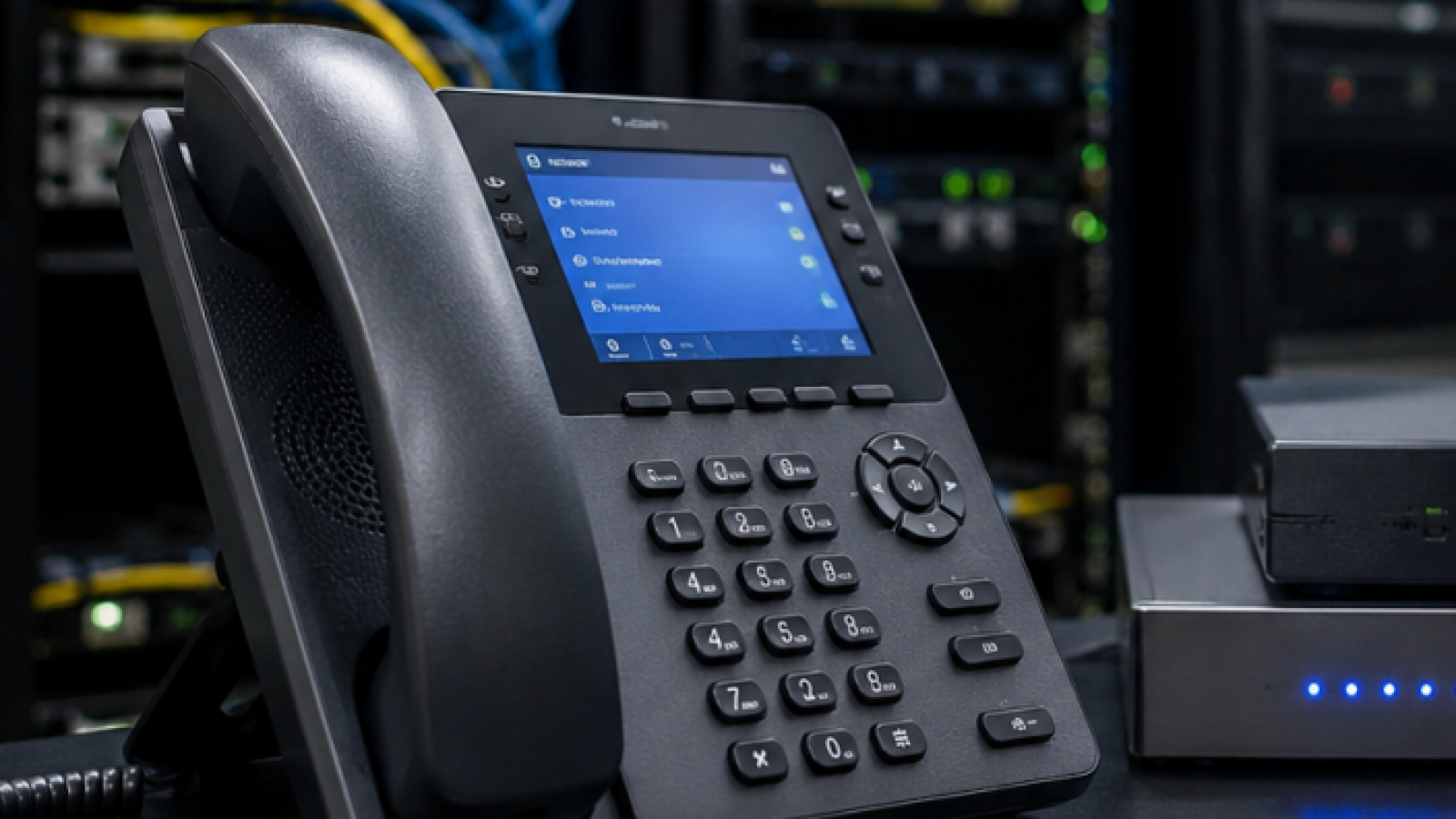
- IP phones (network-based handsets)
- VoIP gateway
- Network switch
- Router and security equipment
- SIP trunk lines
Key Benefits of IP-PBX Systems
Lower Communication Costs
One of the biggest advantages of an IP-PBX is reduced costs for internal calls and calls between branch offices. Organizations can route communications over a private network or the internet, cutting the expense of traditional phone lines.
High Scalability
With traditional systems, adding more extensions means new hardware and extra costs. With an IP-PBX, new users can be added to the system quickly and easily.
Centralized Management
All calls, users, call queues, and reports can be controlled and monitored from a single management dashboard.
Remote Work Support
Employees can connect to their organization’s extension and manage work calls from anywhere with an internet connection.
Advanced Calling Features
- Call recording
- Voicemail
- Interactive Voice Response (IVR / auto-attendant)
- Professional reporting and analytics
- Call queuing
- Call forwarding
- Audio conferencing
- Inbound and outbound call management
IP-PBX vs. Traditional PBX: What’s the Difference?
| Feature | IP-PBX | Traditional PBX |
|---|---|---|
| Communication medium | IP network | Traditional phone lines |
| Scalability | Very high | Limited |
| Maintenance cost | Lower | Higher |
| Remote management | Supported | Limited |
| Software integration | Supported | Limited |
| Advanced features | Full-featured | Limited |
Which Organizations Need an IP-PBX System?
An IP-PBX phone system suits a wide range of businesses and institutions, including:
- Medium and large enterprises
- Government organizations
- Call centers
- Hospitals and healthcare facilities
- Universities and educational institutions
- Companies with multiple branch offices
- IT-focused organizations
The Role of Network Infrastructure in IP-PBX Performance
The performance of an IP-PBX depends directly on the quality of the underlying network infrastructure. Using managed switches, a dedicated voice VLAN, QoS (Quality of Service), and proper security equipment improves call quality and prevents dropped calls or latency issues.
For this reason, the design and implementation of a network-based phone system should be carried out by experienced network and VoIP specialists.
Conclusion
IP-PBX represents the new generation of enterprise phone systems, delivering voice communication over an IP network through VoIP technology. Lower costs, advanced features, high scalability, and centralized management are among the key reasons this solution has become so popular with modern organizations. Choosing and implementing the right IP-PBX system can significantly boost an organization’s communication efficiency and build a reliable communication infrastructure for the business.
دیدگاه خود را به اشتراک بگذارید