
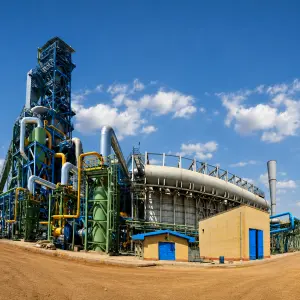
طراحی و اجرای سیستم ارتینگ و حفاظت در برابر صاعقه

اهمیت اجرای سیستم ارتینگ و صاعقه‌گیر در صنایع فولادی

صنایع فولادی به دلیل وسعت تأسیسات، وجود تجهیزات الکتریکی و الکترونیکی حساس، سازه‌های مرتفع و شرایط محیطی خاص، در معرض خطرات ناشی از صاعقه و اضافه ولتاژ قرار دارند. عدم وجود سیستم ارتینگ مناسب و تجهیزات حفاظت در برابر صاعقه می‌تواند منجر به خسارات مالی گسترده، توقف خطوط تولید و ایجاد خطرات جانی شود.

اجرای اصولی سیستم ارتینگ و صاعقه‌گیر، علاوه بر افزایش ایمنی، موجب حفاظت از سرمایه‌های سازمان و افزایش پایداری سیستم‌های صنعتی می‌شود.

اهداف اجرای پروژه حفاظت الکتریکی فولاد سیرجان ایرانیان

در این پروژه، اهداف زیر به‌عنوان محورهای اصلی تعریف و اجرا شدند:

  • حفاظت از تجهیزات صنعتی و الکتریکی در برابر صاعقه
  • کاهش خطرات ناشی از اضافه ولتاژ
  • تأمین ایمنی کارکنان و تأسیسات
  • ایجاد سیستم ارتینگ با مقاومت استاندارد
  • افزایش پایداری و قابلیت اطمینان تجهیزات
  • رعایت الزامات استانداردهای ایمنی صنعتی
  • کاهش هزینه‌های ناشی از آسیب تجهیزات

مراحل طراحی و اجرای سیستم ارتینگ

بررسی شرایط محیطی و مطالعات اولیه

در مرحله نخست، بررسی‌های تخصصی شامل مقاومت ویژه خاک، شرایط اقلیمی، موقعیت جغرافیایی و ساختار تأسیسات انجام شد تا مناسب‌ترین روش اجرای سیستم ارتینگ انتخاب شود.

طراحی شبکه ارتینگ صنعتی

پس از انجام مطالعات اولیه، شبکه ارتینگ بر اساس استانداردهای بین‌المللی طراحی و محاسبات لازم برای دستیابی به مقاومت مناسب زمین انجام شد. طراحی به گونه‌ای انجام گرفت که تمامی تجهیزات، سازه‌ها و تابلوهای برق تحت پوشش سیستم حفاظتی قرار گیرند.

اجرای سیستم اتصال زمین

عملیات اجرایی شامل موارد زیر انجام شد:

  • حفر چاه‌های ارت
  • اجرای شبکه ارت مش (Ground Mesh)
  • نصب الکترودهای زمین
  • اجرای اتصالات استاندارد
  • نصب هادی‌های ارت
  • اندازه‌گیری و تست مقاومت زمین

طراحی و اجرای دکل صاعقه‌گیر

طراحی سیستم حفاظت در برابر صاعقه

با توجه به ارتفاع سازه‌ها و حساسیت تجهیزات، سیستم حفاظت خارجی در برابر صاعقه مطابق استانداردهای معتبر طراحی شد تا حداکثر پوشش حفاظتی ایجاد شود.

ساخت و نصب دکل صاعقه‌گیر

در این پروژه، دکل صاعقه‌گیر با رعایت الزامات فنی و استانداردهای ایمنی طراحی، ساخته و نصب شد. محل استقرار دکل‌ها به‌گونه‌ای انتخاب شد که بیشترین سطح حفاظت برای تجهیزات و ساختمان‌ها فراهم شود.

نصب تجهیزات حفاظت در برابر صاعقه

به‌منظور تکمیل سیستم حفاظتی، تجهیزات مرتبط شامل موارد زیر نصب و راه‌اندازی شدند:

  • صاعقه‌گیر (Lightning Rod)
  • تجهیزات هدایت جریان صاعقه
  • سیستم‌های اتصال به زمین
  • تجهیزات حفاظت در برابر اضافه ولتاژ (SPD)
  • تجهیزات هم‌بندی و ایزولاسیون

مزایای اجرای سیستم ارتینگ و صاعقه‌گیر

اجرای این پروژه در مجتمع فولاد سیرجان ایرانیان، دستاوردهای مهمی را به همراه داشت.

افزایش ایمنی تأسیسات و کارکنان

سیستم اجرا شده، سطح ایمنی مجموعه را در برابر خطرات ناشی از صاعقه و تخلیه‌های الکتریکی به میزان قابل توجهی افزایش داد.

حفاظت از تجهیزات صنعتی

با اجرای سیستم ارتینگ و تجهیزات حفاظتی، احتمال آسیب به تجهیزات الکتریکی و الکترونیکی حساس به حداقل رسید.

کاهش توقفات تولید

حفاظت مؤثر از زیرساخت‌ها باعث کاهش خرابی تجهیزات و جلوگیری از توقف‌های ناخواسته خطوط تولید شد.

افزایش طول عمر تجهیزات

کاهش تنش‌های الکتریکی و اضافه ولتاژها موجب افزایش طول عمر تجهیزات صنعتی و کاهش هزینه‌های نگهداری گردید.

انطباق با استانداردهای ایمنی

اجرای پروژه مطابق با الزامات و استانداردهای معتبر حفاظت الکتریکی، سطح ایمنی و قابلیت اطمینان تأسیسات را ارتقا داد.

اهمیت سیستم حفاظت در برابر صاعقه در صنایع بزرگ

امروزه اجرای سیستم‌های ارتینگ و حفاظت در برابر صاعقه، یکی از مهم‌ترین الزامات طراحی و بهره‌برداری از صنایع بزرگ، نیروگاه‌ها، مجتمع‌های فولادی و تأسیسات حساس محسوب می‌شود. این سیستم‌ها علاوه بر حفاظت از تجهیزات و سرمایه‌های سازمان، نقش مهمی در تضمین تداوم فعالیت و افزایش ایمنی ایفا می‌کنند.

جمع‌بندی

پروژه طراحی و اجرای سیستم ارتینگ، دکل صاعقه‌گیر و تجهیزات حفاظت در برابر صاعقه در مجتمع فولاد سیرجان ایرانیان، نمونه‌ای موفق از اجرای زیرساخت‌های حفاظتی در صنایع سنگین کشور است. این پروژه با ایجاد یک سیستم حفاظتی استاندارد، پایدار و ایمن، توانسته از تجهیزات، تأسیسات و منابع انسانی مجموعه در برابر مخاطرات الکتریکی و صاعقه محافظت کند.

Design and Implementation of Earthing and Lightning Protection Systems

Importance of Earthing and Lightning Protection Systems in the Steel Industry

Steel plants are particularly vulnerable to lightning strikes and electrical surges due to the extensive scale of their facilities, the presence of sensitive electrical and electronic equipment, tall structures, and demanding environmental conditions. The absence of an effective earthing system and appropriate lightning protection equipment can result in major financial losses, production line shutdowns, equipment damage, and serious risks to personnel.

The proper design and implementation of earthing and lightning protection systems not only improve operational safety but also protect the organization’s assets and enhance the stability and reliability of industrial systems.

Objectives of the Electrical Protection Project at Sirjan Iranian Steel Complex

The following objectives were defined and implemented as the main priorities of the project:

  • Protection of industrial and electrical equipment against lightning strikes
  • Reduction of risks caused by transient overvoltages
  • Protection of personnel, buildings, and industrial facilities
  • Development of an earthing system with earth resistance within acceptable limits
  • Improvement of equipment stability and operational reliability
  • Compliance with industrial safety standards and technical requirements
  • Reduction of costs resulting from equipment failure and electrical damage

Earthing System Design and Implementation Stages

Environmental Assessment and Preliminary Studies

During the initial stage, detailed technical assessments were carried out, including soil resistivity measurements, climatic conditions, geographical location, and the structural characteristics of the facility. The results were used to determine the most suitable method for implementing the earthing system.

Industrial Earthing Grid Design

Following the preliminary studies, the industrial earthing grid was designed in accordance with recognized international standards. The required calculations were performed to achieve an acceptable earth resistance value.

The system was designed to ensure that all electrical equipment, metallic structures, switchboards, and critical installations were effectively connected to and protected by the earthing network.

Earthing System Installation

The implementation phase included the following activities:

  • Excavation of earth pits
  • Installation of the earth grid or ground mesh
  • Installation of grounding electrodes
  • Execution of standard electrical connections
  • Installation of earthing conductors
  • Measurement and testing of earth resistance

Design and Installation of the Lightning Protection Mast

Lightning Protection System Design

Considering the height of the structures and the sensitivity of the equipment, an external lightning protection system was designed in accordance with recognized technical standards to provide the highest possible level of protection.

Fabrication and Installation of the Lightning Protection Mast

The lightning protection masts were designed, fabricated, and installed in compliance with technical requirements and applicable safety standards.

The installation locations were carefully selected to provide maximum protection coverage for buildings, equipment, and industrial facilities.

Installation of Lightning and Surge Protection Equipment

To complete the electrical protection system, the following equipment was installed and commissioned:

  • Air terminals or lightning rods
  • Lightning current down conductors
  • Earthing and grounding systems
  • Surge Protection Devices (SPDs)
  • Equipotential bonding and electrical isolation equipment

Benefits of the Earthing and Lightning Protection System

The implementation of this project at Sirjan Iranian Steel Complex delivered several important operational and safety benefits.

Improved Safety for Personnel and Facilities

The installed system significantly increased the level of protection against lightning strikes, electrical discharges, and hazardous touch voltages.

Protection of Industrial Equipment

The earthing system and associated protective equipment minimized the risk of damage to sensitive electrical and electronic devices.

Reduction of Production Downtime

Effective protection of critical infrastructure reduced the likelihood of equipment failure and helped prevent unplanned production line shutdowns.

Extended Equipment Service Life

By reducing electrical stress and transient overvoltages, the system contributed to a longer service life for industrial equipment and lower maintenance costs.

Compliance with Safety Standards

The project was completed in accordance with recognized electrical protection requirements and standards, improving the overall safety, reliability, and operational performance of the facility.

Importance of Lightning Protection Systems in Large-Scale Industries

Today, earthing and lightning protection systems are considered essential requirements in the design and operation of large industrial facilities, power plants, steel complexes, and other sensitive installations.

In addition to protecting equipment and organizational assets, these systems play a major role in maintaining operational continuity, reducing electrical risks, and improving workplace safety.

Conclusion

The project involving the design and implementation of the earthing system, lightning protection masts, and surge protection equipment at Sirjan Iranian Steel Complex represents a successful example of protective infrastructure development in heavy industry.

By establishing a safe, reliable, and standards-compliant electrical protection system, the project provides effective protection for equipment, facilities, and personnel against lightning strikes, electrical surges, and other electrical hazards.